Reviewing Fish Shark Beads Colorful Embroidery for Personalized Gifts
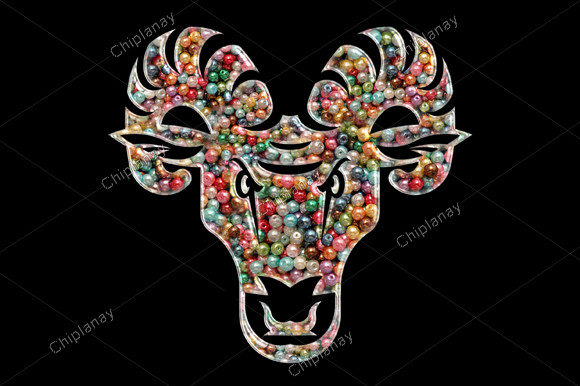
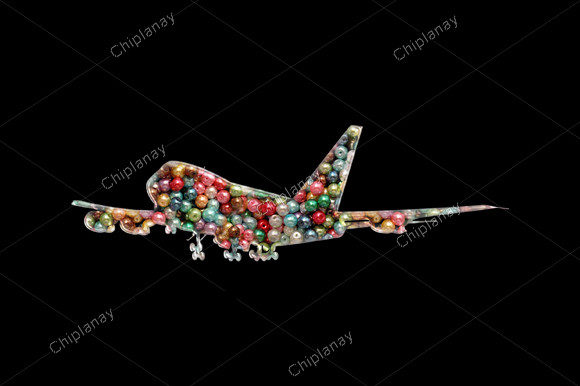
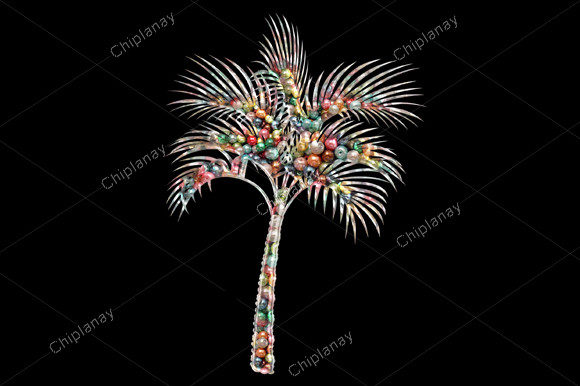
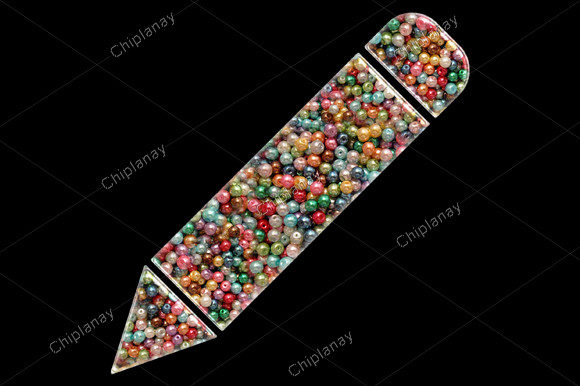
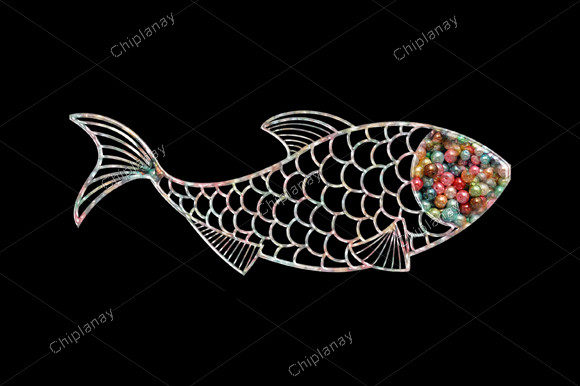
As an embroidery designer planning stock for a personalized gift shop, my first task is always to see if a design has that special charm. The moment I opened the Fish Shark Beads Colorful Embroidery file, I knew it had it. This isn’t just a graphic; it’s a vibrant, playful illustration brimming with character. The bead-like elements and colorful details immediately suggest a handmade, joyful mood. It feels sweet and playful, perfect for sparking an emotional connection, which is the heart of any successful personalized gift.
The Charm and Versatility of This Embroidered Design
The real test of any machine embroidery design is its ability to translate across different products and stories. I started envisioning it on real items a customer might request. For a baby embroidery project, this design would be delightful on a nursery pillow cover or a soft blanket, its colorful beads mimicking playful toys. For wedding gifts, think of a custom apron for a cooking-loving couple or a set of embroidered kitchen towels—a fun, modern twist on a classic keepsake.
Its appeal for family keepsakes is strong. I imagined it on a personalized tote bag for a beach-loving grandmother or on a pillow cover for a child’s room. For craft fair products or Etsy listings, this design offers immense versatility. It could be the star of an embroidered baby bib, a cheerful addition to a recipe card holder, or a focal point on a simple canvas wall art for a nursery. The design’s style lends itself to both classic and modern tastes, making it a safe yet exciting bet for digital product sellers and small shop product lines.
Planning for Specific Product Applications
Successful application requires thinking ahead. On items like embroidered towels or blankets, the stitch density and texture need to hold up to use. For thick towels, a good stabilizer is key to prevent puckering. On stretchy baby clothes, careful hooping and perhaps a lighter stitch density would ensure comfort and durability. The design's bead-like details are charming, but on curved surfaces like a tote bag side panel, placement is crucial to keep the image looking intentional.
One must also consider fabric color. While the description suggests it’s perfect for many items, I’d advise creating printable mockups on both light and dark backgrounds before stitching. Thread color contrast is vital for readability and impact, especially if any small, intricate details are present in the embroidery file. Always test on scrap fabric of the same type you plan to use for the finished product.
Giftability and Customer Perception
From a business perspective, how does this design affect giftability? Fish Shark Beads Colorful Embroidery inherently boosts perceived value. Its colorful, detailed nature looks carefully crafted, supporting the narrative of a handmade product. This builds customer trust. When a buyer sees this on a pillow cover or apron, they perceive a thoughtful, custom embroidery, not a mass-produced item.
The emotional connection is its biggest selling point. It’s not generic; it’s a specific, joyful illustration that tells a story—of playfulness, of color, of a lighthearted spirit. This directly influences buyer engagement. In product photography for your Etsy shop or website, this design will pop, creating vibrant images that attract clicks and convey handmade quality instantly. It’s a design that makes the gift feel special, which is exactly what personalized gift shoppers are seeking.
Practical Embroidery Notes Before You Stitch
Before running this on a real order, here’s my practical checklist. First, always test on scrap fabric identical to your final product material. Check the thread color palette against your inventory; vibrant colors need accurate matching to maintain the design’s charm. Confirm the required hoop size by examining the design dimensions in your software—proper sizing prevents distortion.
Review the stitch density in your preview. Very high density on delicate fabrics like some linens might require adjustment. Using the proper stabilizer for the fabric texture—whether it’s a kitchen towel, a baby blanket, or a pillow cover—is non-negotiable for a clean finish. After stitching, especially on a textured fabric, inspect all small details closely to ensure they’ve rendered correctly.
A crucial final step for anyone selling finished products: confirm the commercial licensing terms of this design. As it’s listed under Freebies and Graphics, the terms may vary. Do not assume; always verify that your intended use for commercial embroidery is permitted before listing any embroidered towel, tote bag, or other item for sale.
Where This Design Requires Extra Care
While versatile, some applications need careful planning. If the design contains any small lettering or extremely delicate details, these might not stitch cleanly on highly textured fabrics like terry cloth towels without perfect stabilization. On dark fabrics, thread color choice becomes even more critical—some colors in the "beads" might need to be brightened for maximum contrast.
For products that need frequent washing, such as baby clothes or kitchen aprons, consider using robust threads and potentially a slightly reduced stitch density in very dense areas to enhance longevity. The goal is to keep the design’s playful look intact through many uses. For curved surfaces, like on a round pillow or the side of a bag, consider if the design layout needs to be adapted or scaled to fit the area without awkward cropping.
In all these cases, the fundamental rule is: mock up, test stitch, and evaluate. This design has tremendous potential to become a beloved staple in your personalized gift offerings, from wedding gift accessories to baby embroidery keepsakes. Its colorful, beaded charm is a blank canvas for a customer’s personal story, and that’s the magic of a great embroidery file.