Mandala Yoga Beads: A Colorful Embroidery Design Review
When a design like Mandala Yoga Beads Colorful Embroidery pops up, especially as a freebie, my first instinct isn’t just to download it. It’s to visualize it stitched out. I picture it on fabric, in a hoop, and finally, on a finished product. That’s the difference between seeing a graphic and evaluating an embroidery design for real project use. Let’s walk through what this mandala offers from the perspective of someone who’s about to thread a machine and make something.
The Immediate Visual Personality
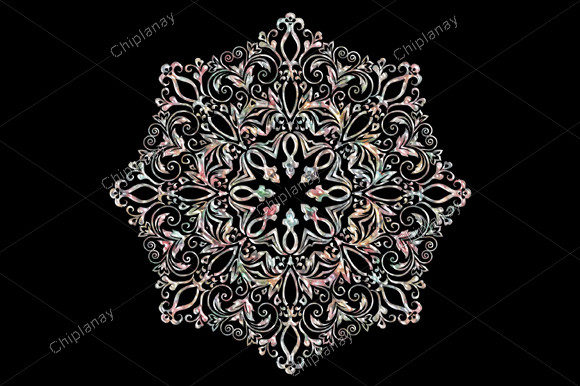
This design’s name tells you a lot: mandala, yoga, beads, colorful. It promises a sense of calm, mindfulness, and vibrant artistry. The circular, symmetrical layout of a mandala is inherently pleasing and balanced, making it a classic choice for embroidery. The ‘yoga beads’ element suggests a detailed, possibly layered pattern within the structure. My first impression is that this is a design for a product that aims to be both decorative and meaningful. It doesn’t feel loud or chaotic; it feels intentional and meditative. That’s a valuable mood to capture for certain niches.
Where This Design Naturally Belongs
Given its theme, I immediately think of applications that align with wellness, comfort, and personal space. Imagine a custom embroidered tote bag for a yoga studio client, or a cozy sweatshirt for someone who values mindfulness. It would be stunning as a central motif on a pillow cover for a living room or meditation area. For small business owners or Etsy sellers in the handmade wellness market, this design could become a key product. It also has strong potential as a personalized gift—think a monogram added near the mandala on a kitchen towel or apron for a friend who loves both cooking and calm. The description mentions sublimation and cards, but in embroidery, its home is on textile items that carry a sense of purpose and personal touch.
A Real Project Scenario: The Boutique Tote Bag
Let’s get practical. I’m considering this for a line of boutique tote bags. The canvas is sturdy, the scale allows for a larger hoop size, and the product needs to look professional and appealing. Here, the Mandala Yoga Beads Colorful Embroidery design would be tested. The colorful, detailed beads would need to stitch out clearly—each satin stitch or fill stitch defining the pattern without becoming too dense and stiff. A successful stitch-out on this fabric would elevate the bag from simple to artisan. It would attract buyers looking for something unique, not just mass-produced. That’s the value a good embroidery design adds: perceived craftsmanship and thoughtfulness.
Performance in Real-Life Embroidery Situations
This is where we move from theory to the machine. For custom apparel like t-shirts or baby clothes, the design’s complexity requires careful planning. On a baby onesie, using a soft fabric, you’d need excellent stabilizer to prevent puckering with potentially dense areas. On a cap or hat, the curved surface challenges a circular design; you’d need to check that the smaller, curved details of the ‘beads’ remain crisp. As an embroidered patch, it could be spectacular, offering a standalone piece of art that can be applied to anything.
For home decor like tea towels or blanket corners, it performs well as a decorative accent, provided the fabric texture (like linen) complements the stitch detail. In commercial embroidery projects for a small shop, this design could serve as a consistent branding element on staff aprons or packaging labels, if the style aligns with the brand’s aesthetic of color and serenity.
Caution Areas: Where to Be Mindful
No design is universally perfect. The likely detail in this mandala means you should avoid very small hoop sizes. Trying to cram it onto a tiny area, like a pocket corner, might lose the intricacy. Textured or stretchy fabrics will require robust stabilizer and possibly a test run to ensure the fill stitches lay flat. On dark fabric backgrounds, the colorful palette needs to be evaluated; some thread colors might lose vibrancy against dark bases, so a test on scrap is essential.
If the design has extremely tiny lettering or minute decorative accents within the beads, these might not stitch cleanly on certain materials or with certain machines. Also, for products destined for frequent washing, like apparel or kitchen items, a design with high stitch density in a small area can feel stiff; balancing detail with wearability is key.
How It Affects Your Product and Customer
Using a design with this much visual personality directly impacts your finished product’s appeal. A clean, well-executed stitch-out enhances stitching clarity and product value. It builds customer trust because it looks professionally made. For a craft business, it contributes to brand consistency if you use it across a product line. As a personalized gift, it feels thoughtful and unique, increasing its giftability. For the maker, it’s satisfying to see a complex, colorful design come to life, boosting your own engagement with the work.
Practical Notes for the Embroidery Designer
Before you commit this design to a final project, here’s my routine advice:
- Test on scrap fabric first. Use the same material you intend for the final product. Check for puckering, clarity, and thread coverage.
- Review thread color contrast. Especially if deviating from the implied palette. How do the colors interact on your specific background?
- Confirm your hoop size. Ensure the design dimensions fit comfortably without forcing compression of delicate elements.
- Inspect small details. Stitch out a sample and look closely at the innermost parts of the mandala and bead shapes. Are they distinct?
- Consider testing it in a black and white mockup to see the pure structure, and compare how it looks on light versus dark fabric backgrounds digitally.
- Use proper stabilizer. This is non-negotiable for detailed graphics on most fabrics.
- Check licensing. As this is categorized under Freebies and Graphics, you must confirm the specific license terms. Is it for personal use only, or commercial? Can you sell the physical items you embroider? Never assume; always verify before selling finished items or incorporating it into digital products like printable mockups.
Finally, remember that a design like Mandala Yoga Beads Colorful Embroidery is more than a file. It’s a potential centerpiece for a project that carries emotion and artistry. Its success hinges on your thoughtful application—matching it to the right product, preparing your materials, and stitching with intention. When done right, it transforms from a digital graphic into a tangible piece of handmade beauty that resonates with makers and customers alike.