From My Worktable: Halloween Skeleton Dancing for Personalized Gifts
Before any design goes into a customer’s hands, it lands on my worktable. Today, I’m testing the Halloween Skeleton Dancing machine embroidery design, envisioning it not just as a file, but as a finished personalized gift. My goal is to see how it performs on real products a shop might sell: a baby blanket, a kitchen towel, a tote bag for a craft fair. The question isn’t just if it stitches well, but if it connects well.
The First Stitch: Charm, Mood, and Emotional Appeal
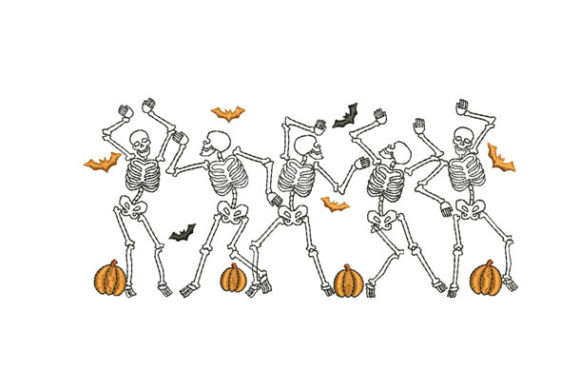
The first impression of this Halloween design is pure, playful fun. It captures that mischievous, light-hearted spirit of the season without being overly spooky. The skeleton’s dancing posture has a charm that feels more handmade and sweet than macabre. For a personalized gift, this emotional appeal is key. It’s seasonal, yes, but it also feels classic in its playful approach. A parent might see it on a nursery item and smile; a friend might find it the perfect whimsical touch for a Halloween-themed kitchen towel. The detail level suggests good definition, which translates to a quality look on the finished product.
A Design for Every Gift Occasion
The versatility of a design like Halloween Skeleton Dancing is its greatest asset for a small business. It’s not just a “Halloween embroidery design”; it’s a tool for creating meaningful products.
Imagine it on a subtly embroidered corner of a baby blanket for a little one born in October, turning a simple blanket into a seasonal keepsake. For wedding gifts, a couple who loves Halloween might adore a set of custom pillow covers with this playful motif alongside their wedding date. It’s perfect for family keepsakes like aprons for the holiday baking season or custom tote bags for trick-or-treating.
For the Etsy seller or craft fair vendor, this design opens multiple product lines: embroidered towels, pillow covers, blankets, and nursery decor. You can create entire coordinated collections. Using a digital embroidery file with multiple formats means you can offer custom order previews and adapt to different machines, building customer trust through flexibility.
Practical Considerations: Where to Use It (and Use It Carefully)
My practical testing always focuses on how a design behaves on different surfaces. Halloween Skeleton Dancing, with its presumably fun details, requires thoughtful application for optimal handmade quality.
Stitch density and delicate areas need attention. If the design has small, intricate lines, they might need adjustment for challenging fabrics. Textured fabrics like thick towels or looped blankets can obscure fine details. Stretchy baby clothes require excellent stabilizer and possibly a reduced stitch count to prevent puckering. Curved surfaces, like on a tote bag, demand careful hooping.
Dark fabric is a classic for Halloween, but thread color contrast is paramount. You must test on both light and dark fabric mockups. A high-contrast thread palette will make the dancing skeleton pop and increase the perceived value of the finished product. Products destined for frequent washing, like kitchen towels or baby items, need robust stitching and quality threads to maintain that emotional connection over time.
Giftability and Customer Engagement
When a design stitches out cleanly and charmingly, it directly boosts giftability. Halloween Skeleton Dancing, applied well, feels like a thoughtful, custom embroidery rather than a generic appliqué. This handmade quality elevates the perceived value, whether it’s on an Etsy listing or a small shop product. Good product photography of a well-embroidered pillow or blanket, showcasing the clean stitches and fun theme, drives buyer engagement. It tells a story: this is a playful, seasonal gift made with care.
Embroidery Notes From the Worktable
Before running this for a real customer order, here is my standard checklist. These steps ensure the final product matches the preview’s promise.
- Always, always test on scrap fabric identical to your final product fabric. This reveals how the fabric texture interacts with the stitch pattern.
- Check the provided hoop size requirement. Confirm your physical hoop matches the digital file’s needs for perfect placement.
- Review the overall stitch density by stitching a sample. Too dense on a towel? Too sparse on a pillow? Adjust accordingly.
- Use the proper stabilizer for your project. A towel needs one type; a stretchy baby blanket needs another.
- Compare thread color choices against both light and dark background mockups. Don’t guess; stitch small color tests.
- After the test stitch, check small details closely. Are any lines too fine? Do any areas need a slight redesign for your specific product?
- Crucially, confirm commercial licensing before selling any finished products. The product description mentions it comes with multiple embroidery file formats, but the license terms must be clear for commercial embroidery use.
The description notes it comes with multiple formats, which is excellent for workflow. But the exact formats, stitch counts, and license details are not listed here. My final advice: contact the designer or distributor to confirm these specifics before integrating Halloween Skeleton Dancing into your product line.
The Final Product: A Dancing Skeleton Ready for Market
After this review, I see Halloween Skeleton Dancing as a strong, charming contender for seasonal personalized gifts. Its playful mood fits baby embroidery, wedding gifts for quirky couples, and everyday household items turned seasonal. The key to success lies in the maker’s hands: meticulous testing, adapting the design to each unique product—a blanket, an apron, a towel—and presenting it as a handmade treasure. When done right, this dancing skeleton isn’t just a pattern; it’s a conversation starter, a memory maker, and a product that can happily dance its way from your worktable into a customer’s heart.