Blank Square ITH Key Fob: A Designer’s Practical Review
Before I put any embroidery design into production for my shop or a client’s custom order, I evaluate it from a maker’s perspective. It’s not just about the file opening correctly; it’s about how the finished product will look, feel, and perform in real life. Today, I’m considering the Blank Square ITH Key Fob design for a upcoming project: a batch of personalized gifts for a boutique’s holiday collection.
The First Impression: Clean Geometry & Versatile Potential
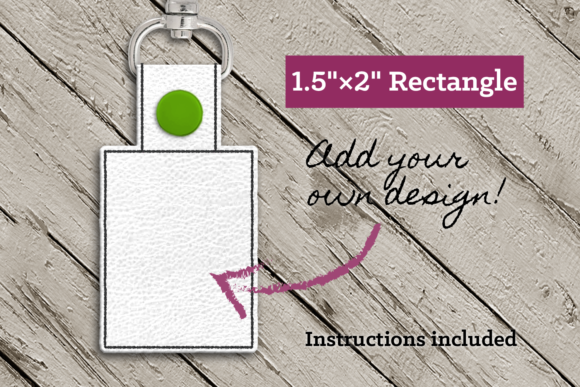
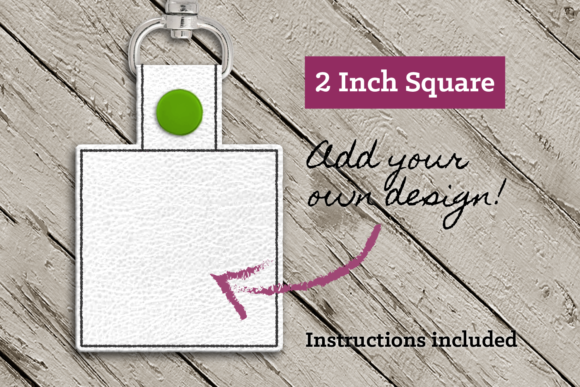
Looking at this embroidery design, my immediate sense is that it’s a confident, utilitarian shape. The square format isn’t trying to be cute or overly decorative; it’s establishing a clean, modern frame. This creates a mood of solid reliability. The layout, being an in-the-hoop applique design, promises a polished, self-contained finish. Its visual personality is blank, which is its greatest strength—it’s a canvas. This design naturally belongs to projects where the embroidery itself is the functional object, like key fobs, or where it acts as a crisp, branded patch on other items.
Where This Design Shines in Real Projects
I’m picturing this stitched up on non-fraying fabric like felt or vinyl, as the description suggests. For my boutique gift project, I’m considering making these as standalone leather-look key fobs for a holiday embroidery gift set. But its use extends far beyond that. The clean square would make an excellent, bold embroidered patch applied to a canvas tote bag, lending a structured, high-quality feel. Stitched directly onto the corner of a premium sweatshirt embroidery or a baby blanket, it could frame a simple name or small motif, elevating a basic garment into a personalized gift. For Etsy sellers, this is a versatile craft business asset: it can become a key fob sold in your shop, a branded tag on an apron, or a decorative accent on a pillow cover. In commercial embroidery, such a clear shape works well for consistent small shop product branding.
Considerations for Stitching Success
While the potential is broad, a practical designer knows where to apply caution. The success of an applique design hinges on fabric choice and handling. The instructions specify non-fraying materials, which is key. I would not use this on a thin, stretchy fabric without serious stabilizer and testing, as the stitch density and structure need a solid base. On dark fabric backgrounds, the satin stitch borders need excellent thread color contrast to remain sharp. Applying it to curved surfaces like caps would be challenging—it’s a flat, geometric design meant for flat or minimally curved applications. Those detailed corners need to be stitched cleanly to maintain the square’s integrity.
The Impact on Your Product’s Appeal & Value
When this design is executed well, it directly boosts customer trust and perceived value. A perfectly square, tightly stitched key fob or patch looks professional. It communicates that the maker pays attention to precision. For handmade products, this level of finish bridges the gap between homemade and boutique-quality. It enhances brand consistency if used across a line of products. As a giftability factor, a well-made item using this design feels substantial and thoughtful, not fragile. In a printable mockup or digital product preview, this clean shape presents beautifully, aiding buyer engagement for digital embroidery file sellers.
A Designer’s Hands-On Notes Before You Hoop
My rule is always to test first. Here are my specific notes for using the Blank Square ITH Key Fob design:
- Always stitch it on scrap fabric first. Use the exact felt or vinyl you plan for the final product. Check the stitch density—does it feel too thick or too sparse for your material?
- Review thread color contrast. Stitch a version on both light and dark backgrounds. Does the border running stitch or fill stitch hold its definition?
- Confirm your hoop size is appropriate. While the design includes instructions, verifying the physical size it produces is crucial for your project planning.
- Inspect the small details in the test stitch. Are the corners crisp? Is the applique attachment secure?
- Use proper stabilizer even on recommended fabrics if you’re layering or stitching with tension.
- Check the design’s licensing. Before selling finished items or including it in commercial embroidery projects, ensure your use is permitted.
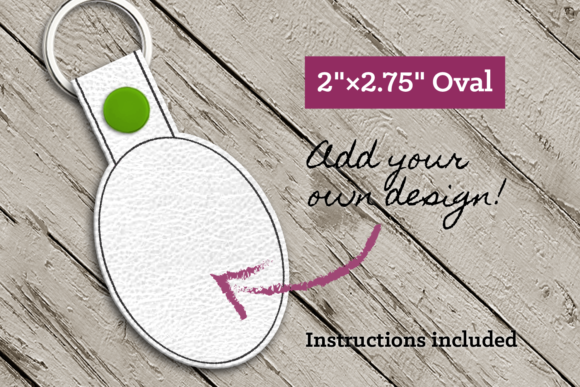
Remember, the design is meant to be added your own element to. That’s its core function. Think about what you’ll place inside that square frame. A monogram? A small motif? The success of the final embroidery project will depend on that combination and your execution.
A Real Scenario: Crafting Boutique Holiday Key Fobs
Let’s walk through my planned use case. I’m creating a limited run of holiday key fobs for a local boutique. I’ll use a deep green vinyl for the base. After testing, I’ll stitch the Blank Square ITH Key Fob design in a gold thread border. Inside the square, I’ll hand-place (after the embroidery machine work is done) a small, pre-cut felt snowflake. The result will be a cohesive, custom apparel accessory that feels luxurious. The square frame gives the snowflake a defined home, preventing the design from feeling lost or arbitrarily placed. This practical structure turns a simple idea into a sale-ready finished product.
In conclusion, the Blank Square ITH Key Fob machine embroidery design is a robust, versatile tool in the Accessories category. Its value isn’t in decorative flair, but in providing a reliable, professional framework. For embroidery designers and makers building a craft business, it’s a design that, when used with mindful fabric selection and precise stitching, can elevate a range of products from simple personalized gifts to consistent brand merchandise. It asks you to bring your creativity to its blank center, and supports that creativity with a solid, confident border.