A Practical Review of the Blank Rectangle Key Fob Embroidery Design
First Impressions: Simplicity as a Strategic Design Choice
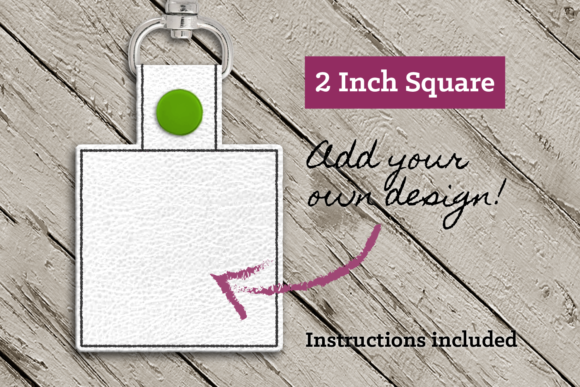
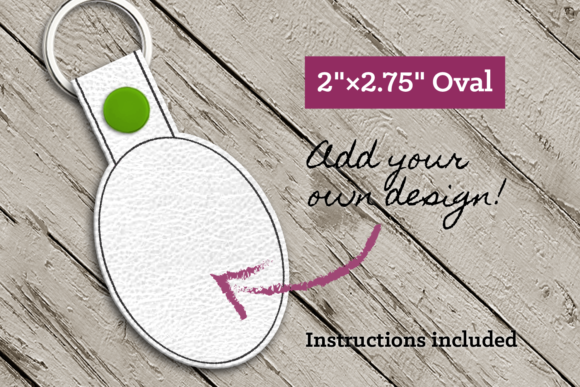
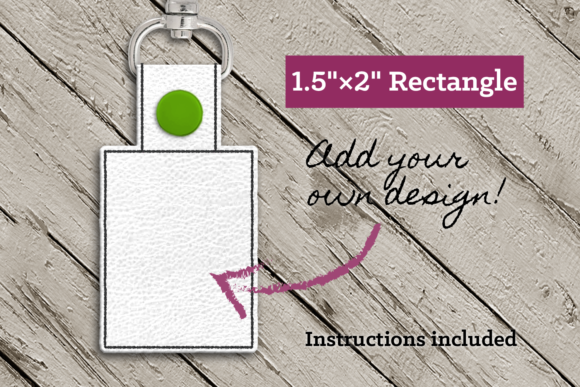
When I first opened the Blank Rectangle ITH Key Fob embroidery file, my immediate reaction was appreciation for its straightforward clarity. This isn’t a design shouting for attention with ornate flourishes. Instead, it presents a clean, rectangular framework—a versatile canvas. The mood it creates is one of functionality and customization. Its visual personality is neutral and adaptable, which is precisely its strength. It feels like a design that belongs in the toolkit of anyone who makes personalized gifts or runs a craft business. You’re not buying a specific theme; you’re investing in a structure.
The Real-Life Project Where This Design Shines
Let’s walk through a real scenario. I was preparing a batch of custom embroidered tote bags for a local boutique. They wanted a cohesive, branded look but with individual customer names. A decorative, overly busy design would clash with the lettering. This blank rectangle applique design became the perfect foundation. Stitched onto the bag’s front panel in a matching felt, it provided a clean, professional background plaque. Then, I simply embroidered the names inside the rectangle. The finished product looked intentional and high-quality—not like a haphazard combination of elements. This is where the design’s true value clicks: it’s a supporting actor that elevates the main feature.
Performance Across a Maker's Real-World Portfolio
In practical testing, the design’s performance hinges on its intended use on non-fraying fabric like felt or vinyl. On a baby item, like a blanket corner, using soft felt creates a safe, tactile patch. On a kitchen towel or apron, vinyl makes it durable and wipeable. For a patch, it can be stitched in-the-hoop and then applied, giving you a perfectly finished edge.
Think about holiday gifts or wedding gifts. A key fob is a small, useful token. Using this design, you can create a set with different colors of felt and thread, embroidered with initials or dates. The consistent rectangular shape across the set creates a pleasing, professional collection that boosts giftability. For an Etsy seller, this uniformity across your listings builds brand consistency and customer trust—buyers recognize your style.
Where This Design Requires a Careful Approach
Its simplicity doesn’t mean it’s foolproof everywhere. Because it’s an applique design, the advice to use non-fraying materials is critical. On stretchy fabric or thin fabric like a standard t-shirt, without the recommended base, the applique area could pucker or distort. It’s not ideally suited for direct application on dark fabric if you use a light felt applique without considering the stark contrast—it might look pasted-on rather than integrated. On curved surfaces like caps, a rigid rectangle might not conform gracefully unless it’s made as a separate patch first.
The stitch density around the border (typically a satin stitch or a running stitch in such designs) needs to be checked on your scrap fabric. Too dense on vinyl might cause unwanted rigidity; too light on felt might not secure it fully. This affects the finished product's durability, especially for items like key fobs that endure daily wear.
How This File Impacts Your Business and Craft
From a commercial perspective, this embroidery design is a utility asset. For an apparel decorator, it allows quick production of a base for corporate logos on sweatshirts or bags. For a digital product seller, it can be part of a bundle of “blank foundation” designs for other makers. Its clarity in stitching clarity translates directly to product value. A neat, crisp rectangle looks meticulously handmade, not homemade, which directly influences buyer engagement and perceived worth.
When used in small business merchandise, such as boutique key fobs or pillow cover tags, it conveys a neat, organized brand aesthetic. This professionalism in presentation can be the subtle difference between a customer picking your item over another at a craft fair.
Essential Designer Notes Before You Hoop Anything
Always, always test the design on scrap fabric first. Use the exact felt or vinyl you plan for the final project. This tells you about any needed adjustments to hoop size, stabilizer, or thread colors.
- Check thread color contrast between your applique fabric and your border stitches. Do they complement or clash?
- Review stitch density by feeling the sample. Is it appropriate for the product’s end use?
- Inspect small details like the corners. Do they stitch out sharply without jumping or gapping?
- Create black and white mockups or test on both light and dark fabric backgrounds in your software to visualize applications.
- Confirm licensing before selling finished items. The description mentions “full instructions,” but the license for commercial embroidery or digital product resale is a separate, critical detail you must verify from the designer.
This machine embroidery design is a humble, powerful tool. The Blank Rectangle ITH Key Fob doesn’t try to be the star. It aims to be the flawless stage, letting your creativity or your client’s personalization take the spotlight. That’s a design choice I, as a reviewer, can confidently endorse for real project use.