A Designer's Honest Look at the Christmas Winter Unicorn Embroidery File
The First Frosty Impression
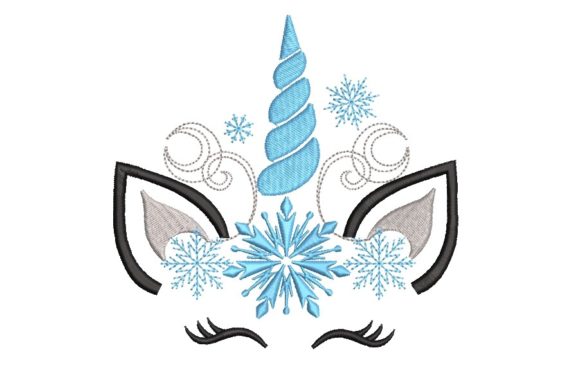
When I first opened the Christmas Winter Unicorn embroidery design, my immediate thought was that it feels magical, but not in a childish way. It’s a sophisticated kind of magic, perfect for the winter holidays. The mood it creates is one of gentle frost and festive wonder, which I think is a harder tone to capture than outright Christmas cheer. The layout and shape are balanced, with a pleasing central focus that makes it adaptable. The detail level, from what I can see in the preview, appears beautifully detailed, which is promising. Its visual personality is elegant and whimsical, making it belong naturally to projects meant as gifts or special, statement pieces.
Where This Design Thrives in Real Projects
I’m thinking through this from the perspective of a crafter preparing a custom embroidered sweatshirt for a holiday market. This design would be a standout. On a high-quality sweatshirt or a cozy blanket, the frosty, detailed elements would translate into a premium handmade product. I can also see it working beautifully on a tote bag or an apron for a boutique product—it has that decorative yet functional charm. For baby embroidery on a special holiday sweater or nursery decor item, the unicorn theme is universally appealing without being overly generic.
For small business merchandise, like items for an Etsy shop, this design adds significant product value. Its unique theme—a winter unicorn rather than a standard snowman—can help a listing stand out and improve buyer engagement. As a personalized gift, stitched onto a pillow cover or a kitchen towel, it feels thoughtful and custom-made. In my experience, customers react warmly to designs that blend familiar holiday feelings with a fresh visual twist.
Commercial and Craft Fair Considerations
If you’re an apparel decorator or a digital product seller using this as a design asset for printable mockups, its clarity and style support professional presentation. For craft fair products, it’s eye-catching and likely to draw interest because it’s not something people see everywhere. It supports brand consistency for shops with a whimsical or fantasy-led aesthetic.
Caution Zones: Where to Test Carefully
Now, for the practical realities. Any design with beautiful detail needs careful application. First, hoop size is crucial. I would not attempt this on a very small hoop; the intricate elements need space to breathe and stitch cleanly. On textured fabrics like some sweaters, or on thin, stretchy fabric, you must use a proper stabilizer and possibly test on scrap fabric first. Stitch density, especially in any frosty decorative accents, could become problematic on fabrics that aren’t stable.
Dark fabric backgrounds require a thorough review of thread color contrast. Does the design rely on light threads to create its frosty effect? You’d need to check that. Also, on curved surfaces like caps or hats, the larger, central shape might need adjustment in placement to avoid distortion. For products that need frequent washing, like baby clothes or kitchen towels, you’ll want to ensure the stitch structure is secure and not too dense in small areas, which could wear faster.
How It Lifts Your Finished Product
From a designer’s point of view, the Christmas Winter Unicorn affects several key areas. Stitching clarity is paramount; if the file is well-digitized, the finished embroidery will look crisp, boosting customer trust in your craftsmanship. Its unique theme enhances the giftability and recognition of your item—people remember a beautiful winter unicorn. For handmade presentation, it elevates the item from a simple decoration to a piece of art, which is vital for creative entrepreneurs.
It also supports professionalism in your work. A clean, well-executed version of this design on a sweatshirt or tote bag looks like it came from a thoughtful maker, not a mass-produced source. This directly impacts buyer engagement and, ultimately, sales.
A Note on Commercial Embroidery Projects
If you’re considering this for commercial embroidery projects, such as producing patches or branded apparel for a small shop, always confirm licensing before selling finished items. The product description suggests versatility, but the rights to sell physical products made from the digital embroidery file must be clear.
Practical Designer Notes Before You Stitch
Here’s my checklist for using this design, whether for a personal project or for your craft business:
- Always test the design on scrap fabric of the same type you plan to use.
- Check thread color contrast against both light and dark fabric backgrounds. Consider running a black and white mockup to see how the shapes hold up without color.
- Review stitch density in the preview. Are there areas that look extremely dense? This could affect the fabric’s drape on apparel.
- Confirm the hoop size required. The description doesn’t specify, so you must verify this from the file information.
- Inspect small details closely in the digitized file. Are there tiny elements or delicate lines that might need special attention?
- Use the correct stabilizer for your fabric. This is non-negotiable for a detailed design like this.
- Ask yourself: Does this design work for both personal and commercial projects for me? Have I clarified the license?
Embroidery is a blend of art and technical skill. The Christmas Winter Unicorn design offers a strong artistic foundation. Its success in your real-world project—whether it’s a holiday gift, a baby item, or boutique merchandise—depends on how you handle the technical execution. Approach it with a confident, observant eye, and you’ll likely create a stunning finished product that captures that magical, frosty feeling perfectly.