I Love My Paw Embroidery: A Designer's Hands-On Review
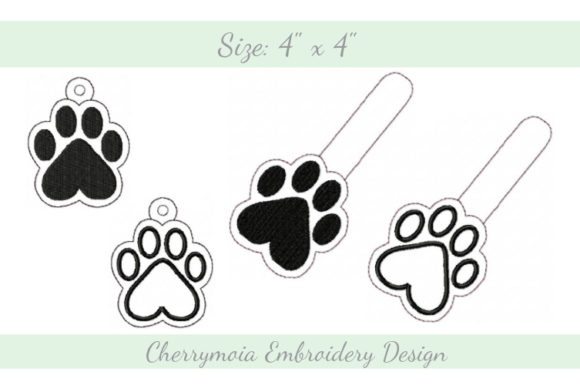
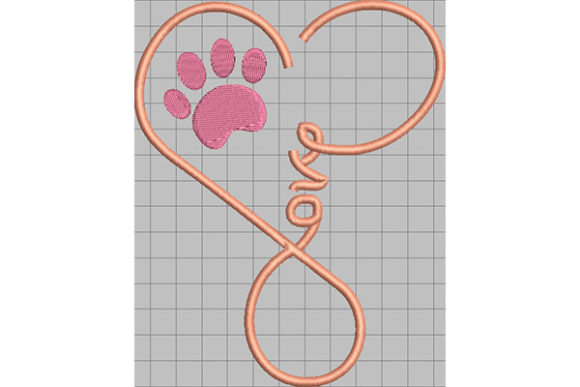
Whenever I sit down to evaluate an embroidery design for actual project work, my first question is always: does it have a genuine personality? With I Love My Paw, the answer is immediate. This isn't just a generic dog-themed motif; it's a specific, heart-centered declaration. The design communicates a mood of sincere, joyful affection. It feels warm, approachable, and uncomplicated—a visual personality that translates effortlessly into stitches. For embroidery designers and makers looking to connect with pet-loving audiences, this immediate emotional clarity is a huge advantage.
Where This Design Finds Its Natural Home
My initial impression tells me this design belongs on items meant for personal, daily use or as heartfelt gifts. Think of a custom-embroidered tote bag for a dog park regular, a cozy sweatshirt for a pet owner, or a kitchen towel in a home where the dog is a beloved family member. The theme is universal enough for broad appeal, yet specific enough to feel personalized. I recently used a similar concept for a boutique’s line of baby items—embroidering it on a soft blanket as a “welcome home” gift for a family with a new puppy. The reaction was exactly what you’d hope for: immediate recognition and a smile.
In a commercial setting, such as an Etsy shop or craft fair booth, I Love My Paw would slot perfectly into categories like personalized pet gifts, small shop merchandise for animal lovers, or simple, charming décor. It has that giftability factor—it feels like a complete, thoughtful statement on its own, without needing extra text or complex customization.
Performance on Real Projects: A Practical Walkthrough
Let’s talk about how this design would perform when the needle starts moving. The layout, with its central heart motif, suggests a stable, balanced stitch area. This is excellent for a wide range of embroidery projects: from custom apparel like t-shirts and jackets to home goods like pillow covers and tea towels. The likely stitch density around the heart shape means it should hold up well on mid-weight fabrics, like cotton twill for tote bags or fleece for sweatshirts.
For baby clothes or lighter fabrics, you’d need to be more strategic. A design like this, if it has dense fill stitches, could be too stiff on a delicate infant jersey. My advice? Always test on a scrap of your target fabric first. For a baby item, I’d consider using it as an embroidered patch applied to a heavier blanket or bib instead of stitching directly onto thin material.
One of my favorite applications for designs with such clear sentiment is caps or hats. The curved surface can be tricky, but a compact, bold design like I Love My Paw often works beautifully there, becoming a focal point. It also lends itself perfectly to holiday gifts—think embroidered oven mitts or aprons for a dog-owner friend during the holidays.
Considerations for a Professional Finish
While the design feels straightforward, professional execution demands attention to detail. The product description wisely advises using proper stabilizers—this is non-negotiable. On stretchy fabrics like sweatshirt fleece or on dark fabric where thread contrast is critical, your stabilizer choice will define the final clarity.
Pay close attention to any small details, like the interior lines of the heart or possible tiny text. These areas need crisp stitching. Before running the final embroidery file, I always check it in a black-and-white mockup to evaluate contrast and then compare how the suggested thread colors will pop on both light and dark backgrounds. This simple step prevents disappointment and ensures the handmade product looks professional.
The value for your craft business hinges on this professionalism. A clean, well-executed version of this design on a tote bag or pillow elevates the product, builds customer trust, and reinforces your brand’s quality. A poorly stabilized, puckered version does the opposite. It’s the execution that turns a cute digital embroidery file into a sellable finished product.
Areas for Careful Application
Not every project is ideal. I would use this design carefully on items with very textured fabrics, like a thick terry cloth towel, as fine details might get lost. Similarly, on highly curved surfaces like some caps, the satin stitch borders could distort if not hooped perfectly. If the design has very dense stitch areas, frequent washing (think of a frequently worn t-shirt) could stress the threads over time—a lighter fill stitch density would be more durable.
For small hoop sizes, you must confirm the design’s dimensions are suitable. A design too large for a small hoop will lose detail; one too small might look insignificant. Always verify the actual stitch area and your machine’s capabilities before committing to a project, especially for commercial embroidery runs.
The Bottom Line for Designers and Makers
I Love My Paw is a design with strong, simple appeal. It speaks directly to a huge and passionate community of pet lovers. For creative entrepreneurs, it’s a versatile design asset that can be adapted across many product lines. Its visual clarity makes it excellent for printable mockups in your online shop, as customers can instantly understand the final product.
My final, practical notes: always test first on scrap fabric. Review the actual design file for specific stitch types—is it primarily satin stitch, fill stitch, or a combination? This affects your material choice. Crucially, confirm the licensing terms before selling any finished items or using it in commercial embroidery projects. Most importantly, stitch it with care. The design’s friendly personality deserves a quality embroidery job to let it shine on that custom apparel, personalized gift, or small shop merchandise.
When you stitch with intention, a design like this doesn’t just decorate a product—it adds a story, a connection, and a genuine touch of heart. That’s what turns a good embroidery file into a great finished product.