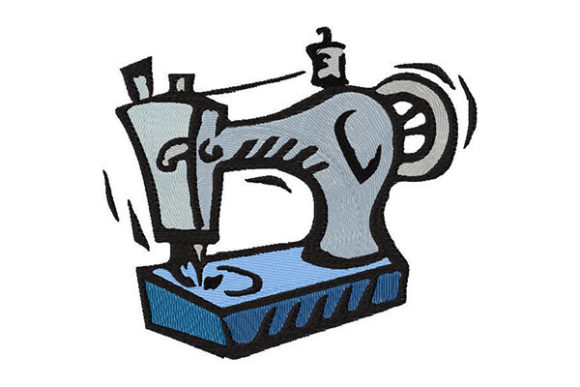
A Professional Designer's Take on Embroidery Machine at Work
As someone who designs for and sells at craft fairs, I approach every new embroidery file with a practical eye. How will it look on a finished product? How quickly will a customer understand its appeal from across a crowded booth? Embroidery Machine at Work presents an interesting and promising case. Let’s break down its potential as a core design for handmade market products.
First Impressions: A Design Built for Authenticity
The title Embroidery Machine at Work immediately sets a tone. This isn’t a cute animal or a generic floral motif. It feels authentic, modern, and slightly industrial, yet rendered in a way that can be decorative and soft. This creates a unique niche. It speaks to makers, crafters, and anyone who appreciates the tools behind handmade goods. In a booth surrounded by farmhouse chic and minimalist quotes, this design stands out by celebrating the process itself. It has a premium, knowledgeable feel that can elevate a simple product.
Where It Shines: Product Applications for Maximum Impact
Your booth display is your best sales tool. Where does Embroidery Machine at Work belong?
Tote Bags & Market Bags: This is a prime candidate. The design is likely substantial enough to be a focal point on a bag panel. Its “tool-focused” theme pairs perfectly with a bag meant for carrying supplies, groceries, or craft fair finds. It adds a story to the product.
Aprons & Kitchen Towels: For a functional, work-focused product like an apron, the design is wonderfully thematic. On a tea towel, it brings a modern, crafty aesthetic to the kitchen, appealing beyond traditional rustic motifs.
Caps: This application requires careful testing. The curved surface of a cap can distort designs. You’ll need to ensure the design’s elements, especially any potential lettering or fine details, are robust enough to stitch cleanly on a curved, often textured, fabric.
Embroidered Patches: Embroidery Machine at Work could make a fantastic, standalone patch. This is a versatile product—sell it as a patch for crafters to apply to their own gear. Patches are high-value, low-size items perfect for impulse buys.
Pouches & Pillow Covers: On a small fabric pouch, it becomes a statement. On a pillow cover in a maker’s studio or living space, it acts as decorative, insider art. These are giftable handmade items with strong appeal.
The Production Reality: Stitching for Sale
Turning a digital embroidery file into a batch of sellable products requires planning. Since the design comes in multiple embroidery file formats, you have flexibility for different machines, which is excellent for small shop production.
- Visual Clarity at a Glance: A customer should grasp the design within seconds. Embroidery Machine at Work seems inherently understandable. Its subject is clear, which is a huge advantage over abstract patterns.
- Scale Matters: Test it as both a large focal design and a smaller accent. Does it lose important detail when minimized? Tiny details or small lettering can blur or fill in, reducing clarity. Always stitch a sample on scrap fabric first.
- Photography & Online Sales: For your Etsy listings or printable mockups, this design should photograph well. Its likely defined lines and thematic nature create a strong, easy-to-describe image, boosting online buyer engagement.
- Batch Production Feasibility: Is the stitch density reasonable? High density on large areas can lead to long stitch times and fabric pulling, hurting your production rate for a craft fair. Check the stitch count and areas. Also, confirm the hoop size required to ensure it fits your common product dimensions.
Practical Notes for the Selling Designer
Before you commit to a full production run, follow these steps. They save time, money, and ensure product quality.
- Create a Real Mockup: Never rely solely on the digital preview. Stitch Embroidery Machine at Work on the actual fabric you plan to use—be it canvas for totes, linen for towels, or twill for caps.
- Test Thread Contrast & Fabric Color: Stitch it on both light and dark fabric scraps. Check if the chosen thread colors provide enough pop on darker backgrounds. This is crucial for caps and bags.
- Inspect Fabric Texture Interaction: Textured towels or nappy fabrics can obscure detail. A smooth, tight-woven fabric often yields the cleanest result.
- Review Stabilizer Needs: The right stabilizer is key, especially if the design has dense areas or is applied to stretchy or lightweight fabrics like those used in pouches.
- Check Spacing and Alignment: Ensure the design sits well on your product templates. For aprons and pillow covers, placement is part of the visual appeal.
- Confirm Commercial Use Licensing: The description states it’s perfect for your projects, but for selling finished products at a craft fair, explicit commercial embroidery licensing is essential. Verify this before selling.
Why This Design Adds Value to Your Booth
Finally, consider the broader impact. Embroidery Machine at Work isn’t just another motif. It reinforces your brand as a knowledgeable maker. It creates conversation—“I love that, it’s so true!” It can attract a specific customer: the fellow crafter, the hobbyist, the person who values the making. This boosts buyer engagement directly at your table.
For batch production, its repeatable, clear nature is a plus. Once you’ve optimized the setup—hoop size, stabilizer, fabric, and thread—you can produce consistent, high-quality items efficiently. This reliability is the backbone of a successful craft fair product line.
In summary, Embroidery Machine at Work holds strong potential as a distinctive, theme-driven design for your handmade shop products. Its success will hinge on your practical testing and smart product pairing. Focus on items where its story enhances the utility—totes, aprons, patches—and always, always stitch a sample first. That real-world mockup is the only true way to judge how this beautiful embroidery design will perform when it’s finally at work in your booth.