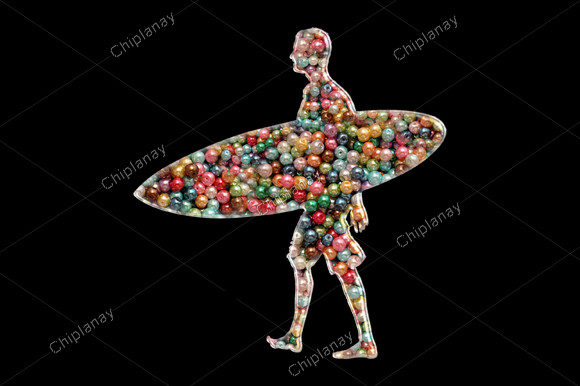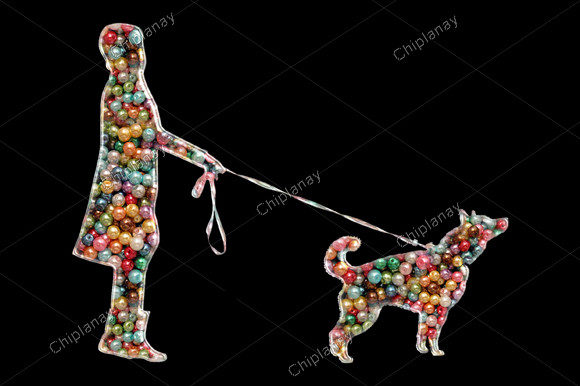
A Designer's Review: Dog Woman Girl Beads Colorful Embroidery
As someone who stitches designs for real customers every day, I approach every new embroidery file with a practical eye. When I came across the Dog Woman Girl Beads Colorful Embroidery on Creative Fabrica, my first thought wasn't just about its artistic appeal, but about how it would perform under a needle. Would it stitch cleanly on a tote bag? Could it become a charming patch for a child's backpack? Here's my honest evaluation from the perspective of a working embroidery designer.
First Impressions: Visual Mood and Project Fit
The design immediately presents a playful, decorative mood. The illustrated style with the "beads" and colorful details gives it a handcrafted, almost folk-art personality that feels warm and approachable. This isn't a generic, sharp graphic; it has a stitching personality that suggests it would translate well into thread. Visually, it naturally fits projects aimed at a personal, giftable market. I pictured it on a baby blanket for a dog-loving family, a whimsical apron, or a decorative pillow cover in a cozy home. For commercial embroidery, its charm aligns perfectly with boutique merchandise, Etsy listings for handmade gifts, and craft fair products where unique character sells.
Performance in Real Embroidery Work
Thinking through real applications, this design's strength lies in its decorative appeal on finished products. For custom apparel like sweatshirts or T-shirts, the colorful, detailed illustration would create a focal point. On a tote bag or apron, it would add significant visual value without being overly complex. For smaller items like caps, the central figure could work if the hoop size is appropriate, though the surrounding details would need careful scaling. As an embroidered patch, it would be exceptionally charming, especially as a seasonal handmade gift.
However, the description lists it as a "Graphics" file in the "Freebies" category, and emphasizes uses like sublimation and scrapbooks. This is a crucial detail for embroidery designers. It means we must treat this as a design asset to be digitized for embroidery, not a ready-made machine embroidery design file. You cannot simply load this into your machine. It requires conversion into an embroidery file format, which involves critical decisions about stitch types.
Practical Considerations Before Stitching
If you choose to digitize this graphic for embroidery, several practical factors will determine its success on real projects. The illustration has areas of potential density and small detailing, like the beads and lettering.
- Stitch Density: A digitizer must carefully plan fill stitch areas and satin stitch outlines. Too dense, and it will be stiff on stretchy fabrics or prone to puckering. Too sparse, and it loses its colorful impact.
- Small Details: The small elements must be evaluated for thread coverage. On textured fabric like a sweater or on curved cap surfaces, very fine details might not stitch cleanly.
- Fabric & Color Contrast: Always test on scrap fabric first. Check thread color contrast, especially if planning for dark fabric backgrounds. The colorful palette needs a thoughtful thread conversion to maintain its mood.
- Hoop Size & Stabilizer: The design's overall size will dictate the minimum hoop size. Using proper stabilizer is non-negotiable, especially for products like kitchen towels or baby items that need frequent washing, to preserve the design's integrity.
Affecting Product Value and Customer Trust
Using a well-executed version of this design can significantly boost your product's value. Its unique, handmade presentation enhances visual appeal and giftability. For an Etsy seller or small business owner, offering an item like an embroidered pillow with this design tells a story, fostering customer engagement. It supports brand consistency for shops specializing in whimsical, heartfelt goods. In product photography and printable mockups, the colorful design stands out, making your listings more attractive.
The caveat, and this is vital for commercial embroidery, is that the final stitch quality must match the graphic's charm. A poorly digitized or stitched version, with broken details or puckering, will undermine buyer trust. The design's appeal is directly tied to its execution.
Essential Steps Before Any Commercial Use
Before this graphic ever touches a hoop for a real customer order, follow this practical checklist:
- Confirm the Source: Revisit the Creative Fabrica product page. Understand the listed uses and any included file formats. Since it's categorized under Graphics, assume you need to digitize it.
- Check Licensing: Always review the license terms on the product page before selling finished items. "Freebies" often have specific commercial use conditions.
- Digitize with Care: If you proceed, plan the stitch types (running stitch for fine lines, fill stitch for color blocks) and compare how it will look on both light and dark fabric mockups.
- Inspect After Stitching: Run a test stitch and inspect all small details. Are the beads distinct? Does the lettering read clearly? This step prevents customer disappointment.
Final Verdict for Embroidery Designers
The Dog Woman Girl Beads Colorful Embroidery graphic is a visually appealing asset with strong potential for embroidered handmade products. Its mood is perfect for personalized gifts and boutique-level merchandise. However, its path to being a successful embroidery file is not direct. It requires skilled digitization and careful testing for real-world constraints like fabric type, stitch density, and detail preservation.
For the embroidery designer willing to undertake that conversion process, it can yield a unique, valuable design for tote bags, baby blankets, patches, and more. For those seeking a ready-to-stitch file, this is not it. Approach it as a beautiful starting point, but invest the necessary work to transform it into a reliable, stitchable asset. Your final product—and your customer's satisfaction—will depend entirely on that diligence.